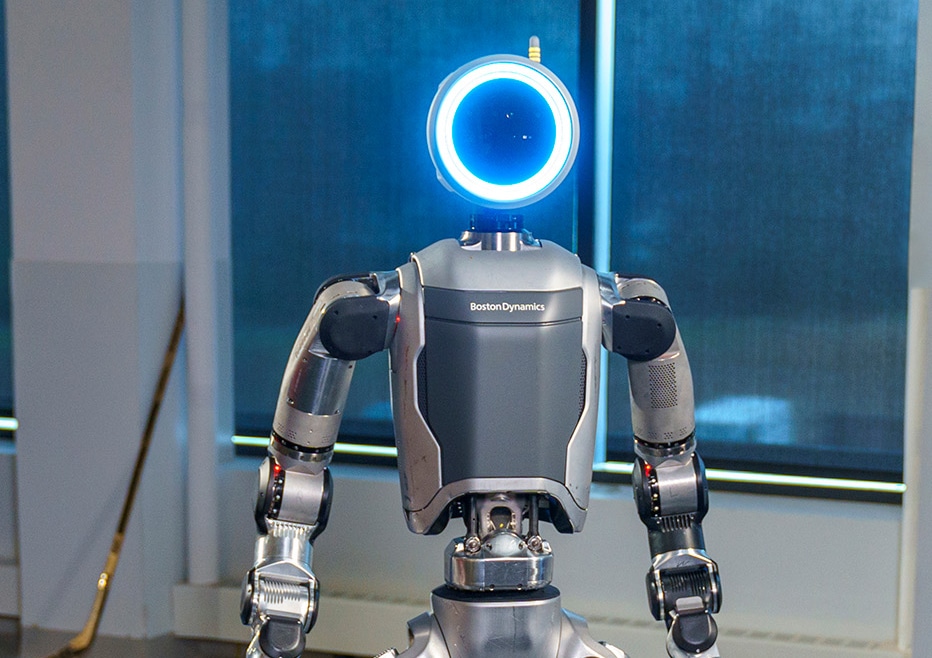
Dexterity & Movement
Atlas' industrial ambitions make walking a whole-job problem
Mobility matters because a robot must reach, carry and recover in spaces designed for people. The decisive test is the task completed at the end of the walk.
Boston Dynamics' January 2026 launch moves beyond the electric prototype. Planned customer deployments, stage demonstrations and proven production work remain separate milestones.
Read the analysis ↗Mobility matters because a robot must reach, carry and recover in spaces designed for people. The decisive test is the task completed at the end of the walk.
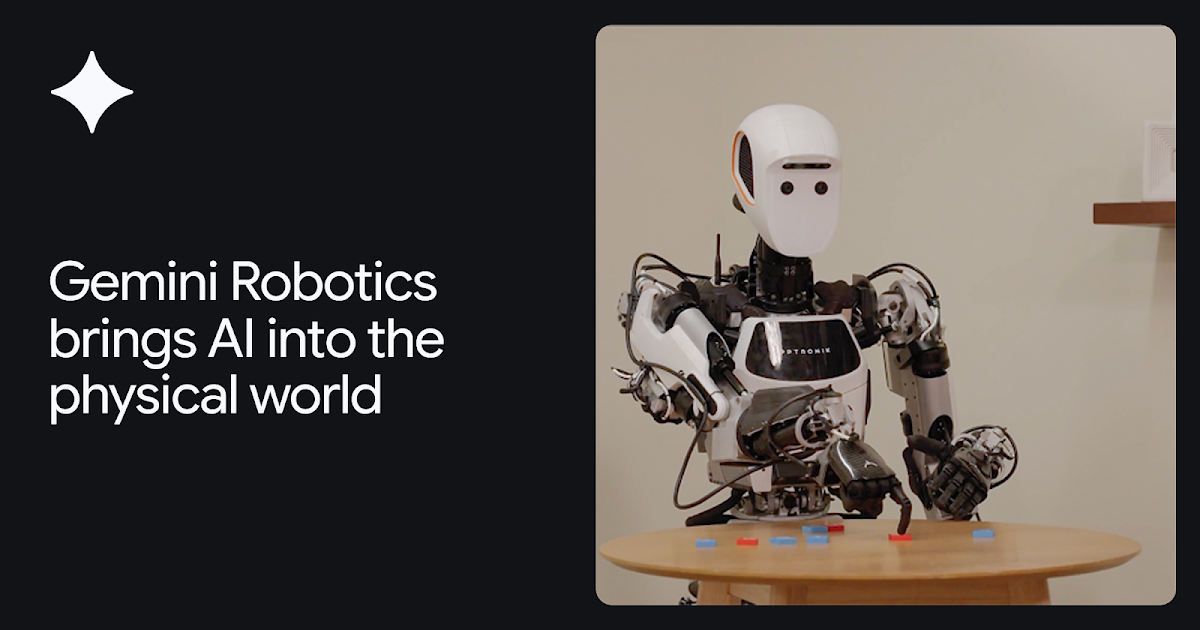
DeepMind's embodied-reasoning releases separate interpretation from action. A humanoid still needs a dependable bridge from a useful plan to safe physical execution.
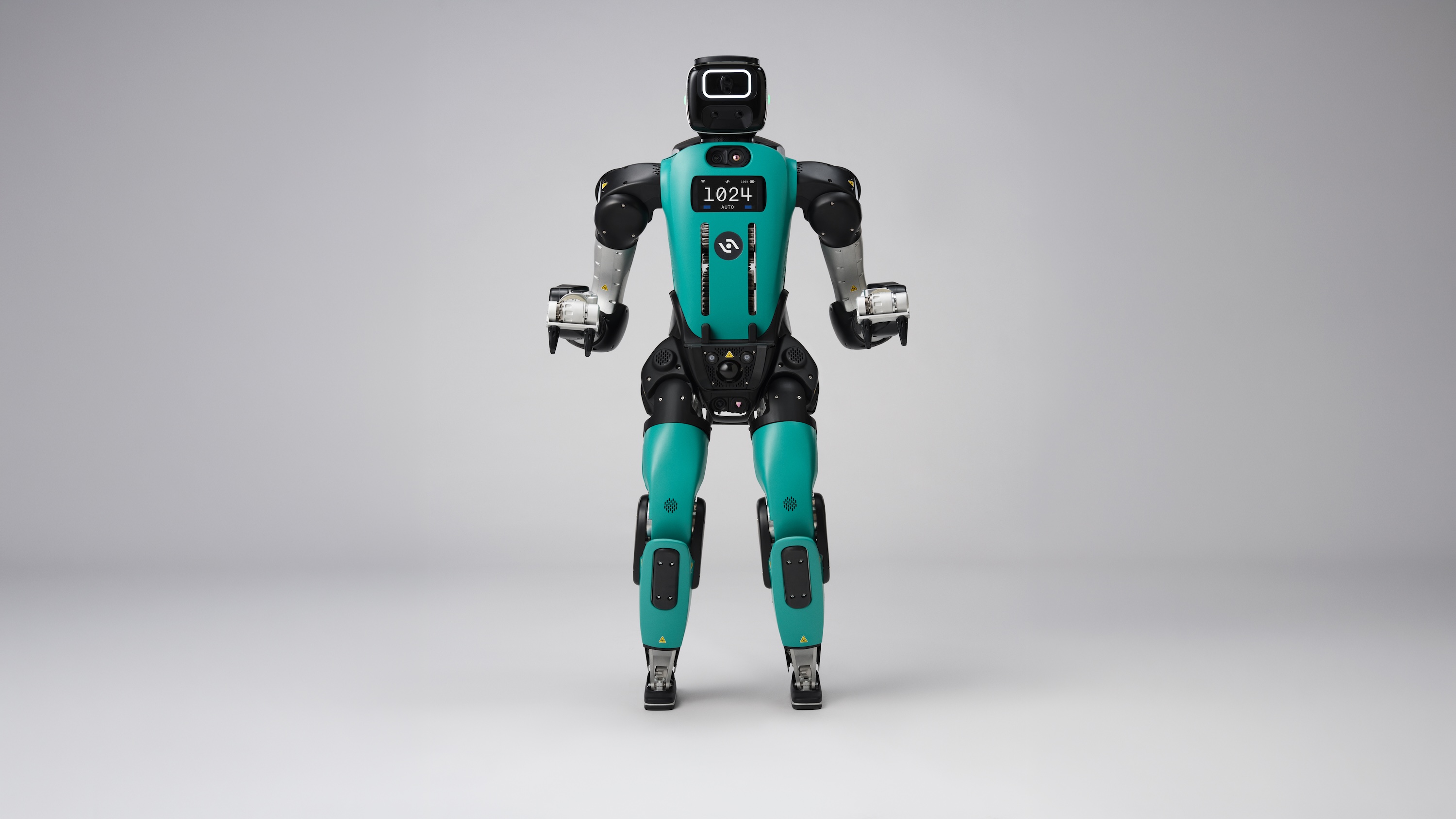
The commercial programme began with a defined material-handling task. Digit 5's broader ambitions should be assessed separately from that operating record.
Bodies, actuators, hands and the engineering of useful machines.
Boston Dynamics' January 2026 launch moves beyond the electric prototype. Planned customer deployments, stage demonstrations and proven production work remain separate milestones.
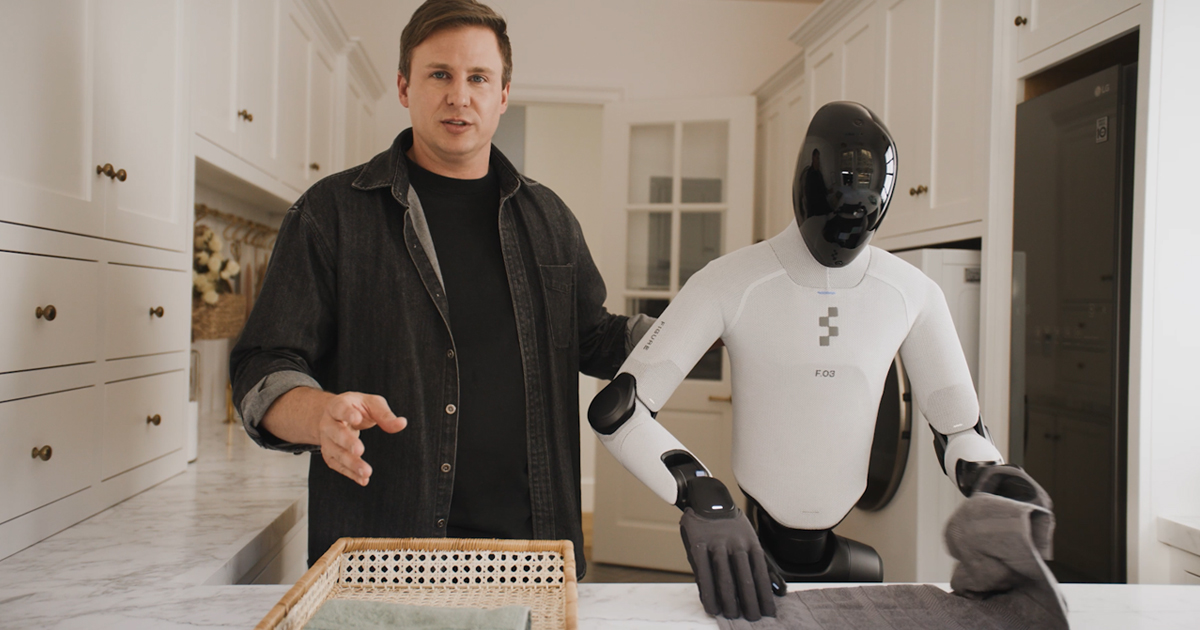
Figure links tactile sensing and palm cameras with Helix control. The test is whether the combined system handles varied objects and recovers from imperfect contact.
Agility emphasizes faster charging, while Boston Dynamics describes autonomous battery exchange. Neither approach alone determines productive uptime.
Manipulation, mobility and recovery in the physical world.
Mobility matters because a robot must reach, carry and recover in spaces designed for people. The decisive test is the task completed at the end of the walk.
Figure's September 2026 evaluation reports whole-body work in unfamiliar homes. Its most revealing question is how the robot responds when the first attempt is imperfect.
Agility's new architecture includes people detection, independent motion oversight and a seated response. The safety case still belongs to the complete application.
How robot models acquire, transfer and apply physical skills.
DeepMind's embodied-reasoning releases separate interpretation from action. A humanoid still needs a dependable bridge from a useful plan to safe physical execution.
Helix 2.5 uses human-experience pretraining, while shared robot datasets pursue another route. Both approaches still have to bridge differences in sensors, reach and action.
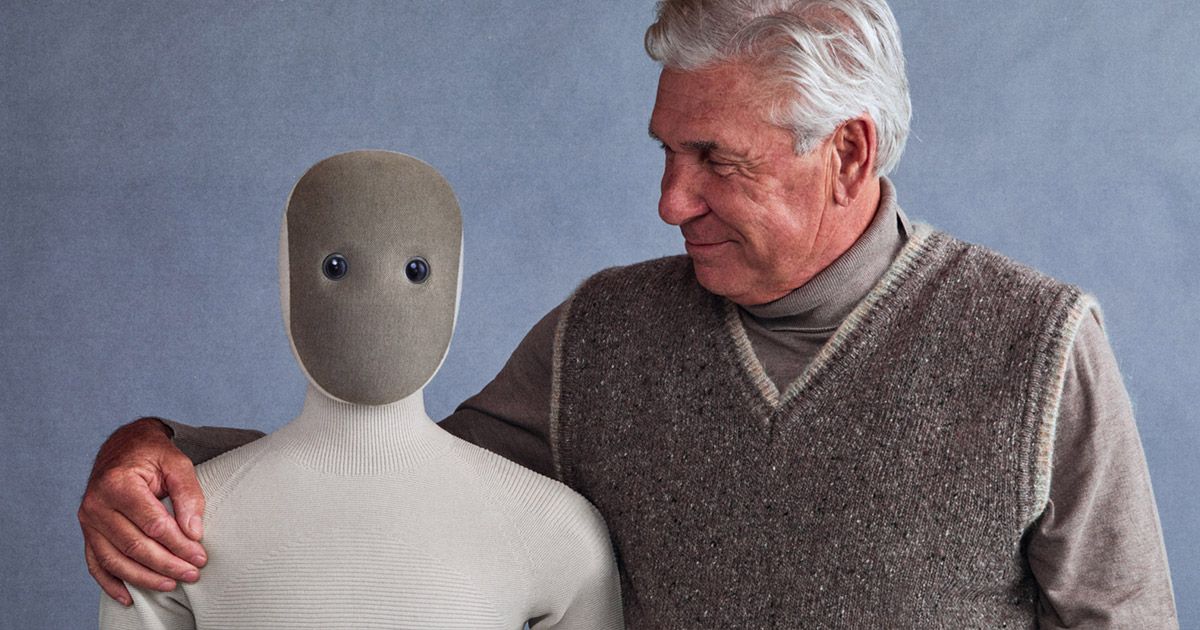
NEO's product model includes scheduled remote guidance for unfamiliar chores. That changes how autonomy, privacy and the cost of completed work should be described.
What industrial trials and operating programmes actually establish.
The commercial programme began with a defined material-handling task. Digit 5's broader ambitions should be assessed separately from that operating record.
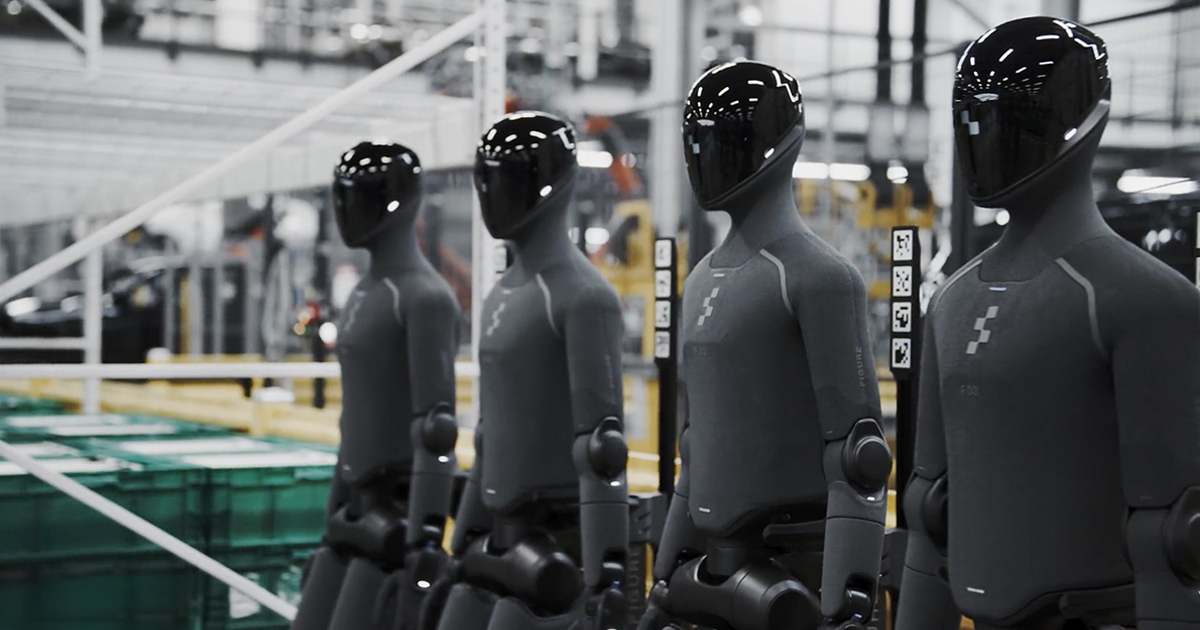
BMW's June 2026 project and Figure's account describe a new task context. Earlier Figure 02 experience is useful history, but it does not validate the new workflow automatically.
A household combines unfamiliar objects, privacy and changing instructions. 1X's use of basic autonomy and scheduled expert help makes those differences visible.
The full cost of work, evidence and accountable operation.
GXO's deployment and the Digit 5 roadmap show why unit cost alone cannot describe humanoid economics. Support, utilization and task reliability decide the result.
The October 2026 partnership describes manual overrides and external safety interfaces. Those details matter when a robot is being set up, repaired or recovered.
A home evaluation, a commercial handling task and a product launch each provide evidence. Reading them as the same kind of milestone produces misleading conclusions.