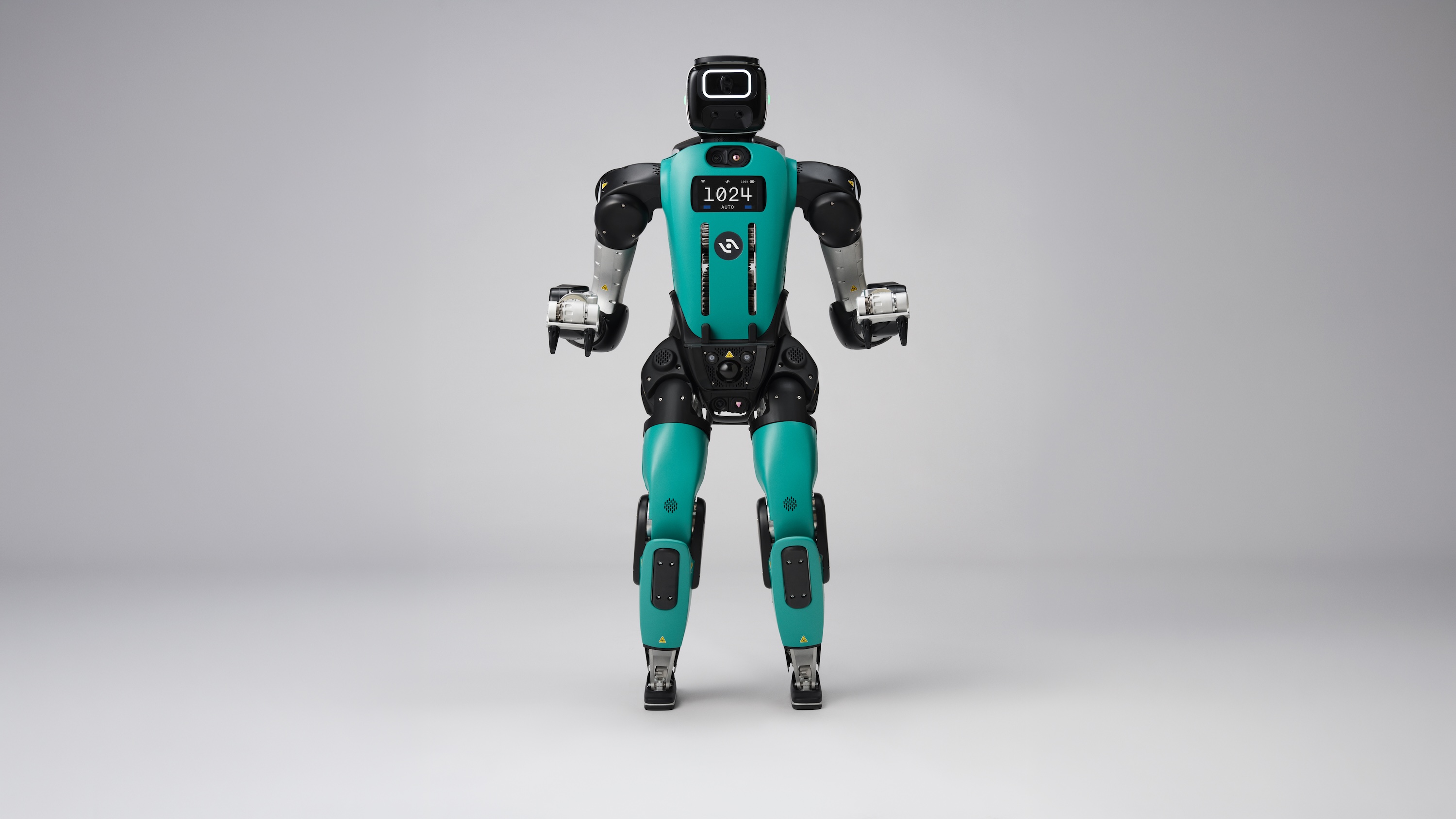
Agility and FORT Robotics announced a memorandum of understanding on October 1, 2026 to expand safety infrastructure for Digit 5. The account includes a pendant with emergency-stop and enabling functions, plus interfaces linking the robot with external safety systems. Those details direct attention to work that rarely appears in humanoid demonstrations: setup, maintenance and recovery. A robot may operate autonomously during normal production while requiring people to approach closely when it is not behaving normally. Agility and FORT partnership, October 1, 2026.
The exceptional state is part of the product
Maintenance changes the assumptions of ordinary operation. Covers may be removed, a component may be disconnected or a person may be positioned where the normal task never expects them. A safe production routine does not automatically describe safe service behavior. The system needs clearly defined modes, an intelligible indication of its state and a procedure for restoring operation after work is complete. A technician should not have to infer whether a stored command could resume when power or communication returns.
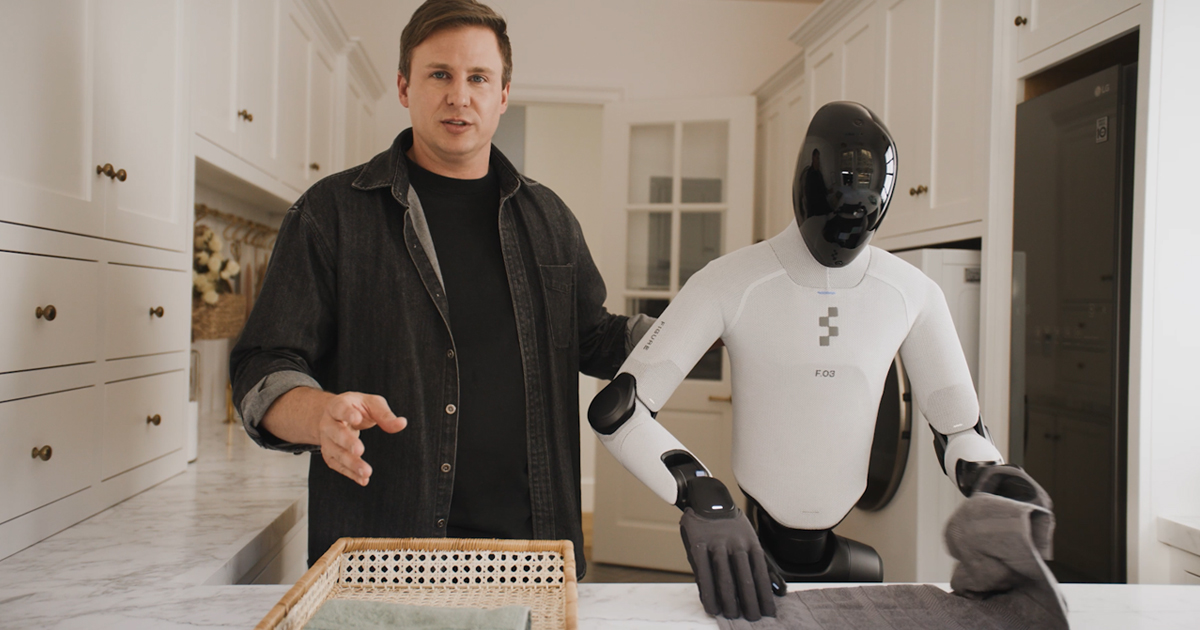
Digit 5's product description emphasizes cooperative operation, while Boston Dynamics positions Atlas as an industrial product with its own service and operating requirements. These are different designs, not interchangeable safety cases. The common point is that commercial readiness includes the ability to maintain the equipment predictably. An impressive autonomous task can be economically and operationally undermined if routine service is difficult, poorly documented or dependent on improvisation. Digit 5 product description; Boston Dynamics Atlas product.
Stored energy complicates the stop command
A stopped robot can still contain energy in its batteries, elevated loads and mechanical configuration. The relevant service procedure depends on the particular machine and task. A software pause should not be casually equated with a condition in which every maintenance action is safe. This is why product documentation, training and application-specific assessment matter. The existence of a manual override is valuable, but the surrounding process determines how it is used and what state it actually creates.
Recovery from a fall or a trapped object illustrates the issue. The people responding may be under pressure to restart production. If the procedure is unclear, they can bypass a control or move into an unpredictable path. A well-designed service makes the safe sequence easier to follow than an improvised shortcut. It also records the event so recurring problems can be identified. Otherwise, the production system may appear reliable only because technicians repeatedly perform invisible recovery work.
Safety evidence must include the people who service the robot
The Agility-FORT announcement is a useful sign that off-robot interfaces and manual intervention are part of the development agenda. It is not a completed certification for every installation. The evidence that matters next includes how technicians identify operating modes, isolate the appropriate hazards and verify a safe return to service. Those requirements should be considered when comparing humanoid products, alongside task speed and payload. A robot's autonomy is commercially useful only if the organization can manage the moments when autonomy ends and a person has to work directly with the machine.
A humanoid may spend much of a demonstration performing a smooth, repeated task. People responsible for a real deployment also encounter setup, cleaning, inspection, faults and repair. The safety evaluation should cover those states because the relationship between the person and machine changes when normal operation stops. OSHA highlights robotic hazards during maintenance, testing and other nonroutine work. OSHA robotics overview.
Map every operating state
A practical assessment begins by mapping who approaches the robot and why. A trained technician replacing a component differs from a worker retrieving an object after an interrupted task. The machine's indications and procedures should support those different roles without requiring each person to infer its internal state.
Mechanical design and control behavior both matter. A new actuator or range of motion can change how a task is performed, but it does not remove the need to evaluate the specific installation. The robot, its payload and the surrounding equipment form the practical unit of assessment. Boston Dynamics introduced an all-electric Atlas in 2024. Boston Dynamics introduces electric Atlas.
Give people a clear intervention boundary
Return to service should be explicit. After an intervention, the team needs a defined way to verify the relevant conditions and resume work. A system that appears inactive should not leave people uncertain about whether it might restart. These procedures should be exercised with the people expected to use them.
The conclusion is that safety evidence must span the whole operating life, not only the productive moments. Customers should ask to see how ordinary interventions are handled and documented. This keeps the discussion grounded in observable work rather than relying on a broad claim that a humanoid is inherently safe.
Serviceability can influence safety through time pressure. If routine inspection or component replacement is difficult, organizations may be tempted to postpone it. Accessible procedures, clear diagnostics and predictable spare-part support can therefore matter alongside protective controls. These are product qualities that become visible only after sustained use. A complete account of humanoid readiness should include them, especially when the proposed work is repetitive enough that small mechanical problems can accumulate before anyone notices a change in the robot's behavior.
Sources & evidence
This archive preserves its original editorial date. Sources describe the events and announcements discussed; they do not establish today’s status.