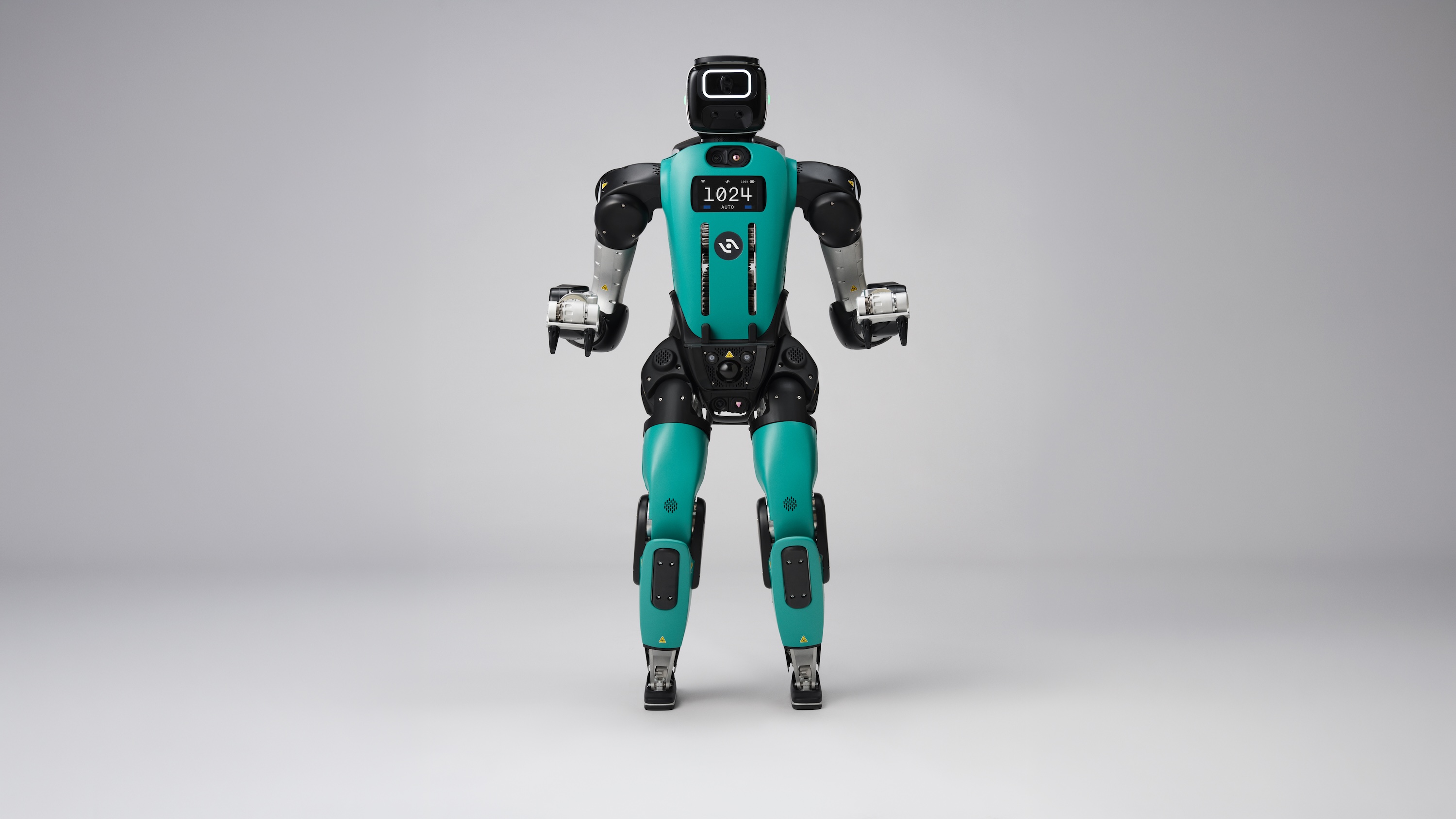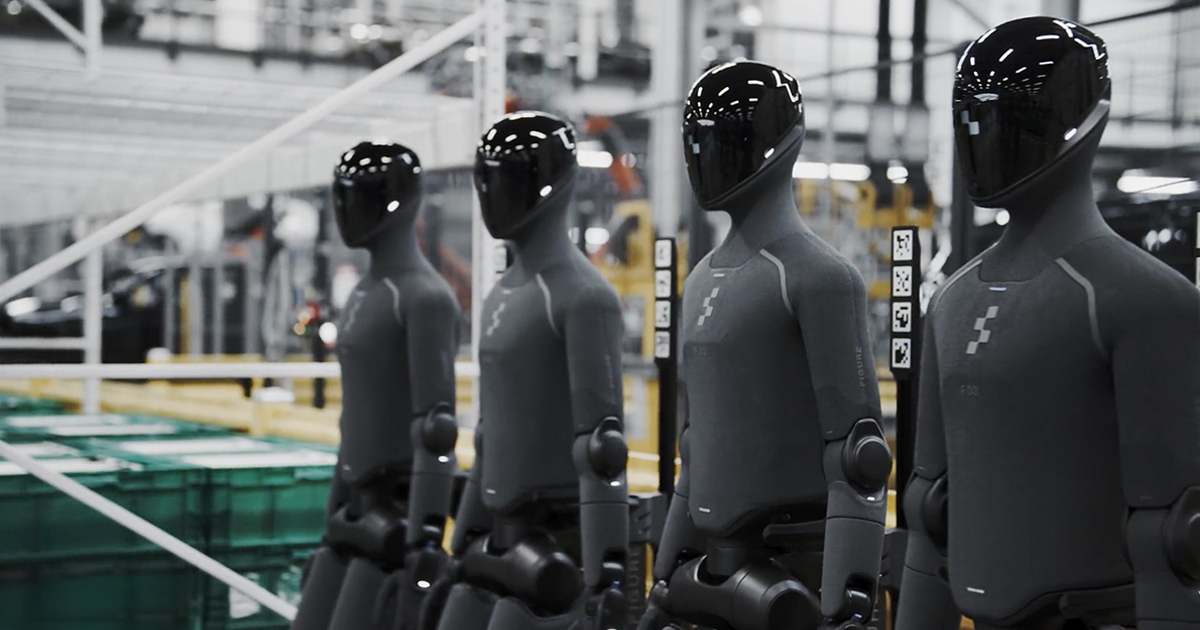
1X describes NEO as a home robot that begins with basic autonomy and can receive scheduled expert guidance for unfamiliar tasks. That is a different operating environment and service model from a robot assigned to a repeated warehouse transfer. The household does not provide a fixed production schedule, a controlled set of objects or a specialist team on every shift. A domestic humanoid must navigate those differences as part of the product, rather than treating them as unusual exceptions. 1X NEO product and Expert Mode.
The task description is part of the problem
Instructions such as tidy a room or put something away contain assumptions that people learn from living together. The destination may depend on whose object it is, whether it is clean and what the household plans to do next. A robot can recognize an object without knowing those preferences. The useful response may be a question, a conservative action or a refusal to proceed. A system that always acts confidently can create more work than it removes if its interpretation is wrong.
1X's Redwood material describes its learned-control approach, while Figure's September 2026 Helix 2.5 report addresses generalization across unfamiliar homes in a developer-run evaluation. These sources show that domestic autonomy is an active technical target. They do not establish that the same set of chores is already dependable in every household. The distinction between an evaluation task and a continuing home service matters: the latter must cope with interruptions, changing preferences and the cumulative effects of small mistakes. 1X Redwood AI; Helix 2.5 evaluation, September 17, 2026.
Privacy and usefulness are connected
A home robot needs information about the space and objects around it. Remote assistance can require another person to see some of that information. The household therefore needs a clear understanding of when assistance is active, what the operator can access and how the session ends. These are not secondary features unrelated to autonomy. They influence which tasks people will allow the robot to perform and where they are comfortable using it. A technically capable service can still be impractical if its information needs are unclear.
The environment also resists standardization. Children move objects, pets cross paths and furniture changes position. A factory may solve uncertainty by controlling presentation; a home robot cannot reasonably demand that every room be reorganized around it. Some adaptation is possible, but too much preparation can eliminate the convenience the product is meant to provide. The right measure therefore includes the human effort required before and after the robot acts, not only the duration of the visible task.
Domestic progress will be uneven
A robot may become useful for a limited family of chores long before it can manage an entire home. That is a meaningful outcome if the scope is clear and the support requirements are acceptable. The temptation is to describe each new demonstration as evidence of a universal assistant. The stronger approach is to identify exactly what became more reliable, under which conditions and with how much help. NEO's explicit service model and Figure's generalization work make those questions concrete. Factory success supplies important engineering experience, but the home remains a distinct test of judgment, interaction and sustained convenience.
A humanoid that performs useful industrial work demonstrates progress under particular conditions. Moving the same idea into a home changes those conditions substantially. The question is not whether a factory and a home both contain objects; it is who defines the task, prepares the scene and resolves uncertainty. GXO and Agility announced a multiyear Digit deployment agreement in 2024. GXO and Agility commercial agreement.
The environment is part of the system
A workplace can specify a repeatable process and assign support roles. A household request may be ambiguous, and the person making it may not know the robot's limits. A home-oriented system would need an understandable way to clarify instructions and refuse actions it cannot perform appropriately.
Generalization research is relevant because domestic tasks vary in objects and arrangement. Yet a model demonstration does not establish the complete household service. Mechanical reliability, access to support and the handling of private observations remain part of the operating proposition alongside the model's ability to interpret a request. Google DeepMind introduced Gemini Robotics models in March 2025. Google DeepMind introduces Gemini Robotics.
Help must be designed in
Recovery deserves special attention. If a robot cannot finish a task, it should leave the environment in a manageable state and communicate clearly what remains undone. A person should not need robotics expertise to understand whether an object was moved, a step was skipped or assistance is required.
The inference is limited but useful: industrial evidence can inform home-robot development without proving domestic readiness. Each setting needs its own task boundaries and tests. A credible home offering would explain those boundaries plainly, with support and privacy arrangements that match the people expected to live with the machine.
The household also needs a clear boundary around unfinished work. If the robot stops halfway through a chore, it should leave the area understandable and usable rather than creating a puzzle for the owner. A partly sorted pile, an object placed somewhere unexpected or an unresolved request for help can reduce convenience even without causing damage. Domestic evaluation should therefore include the condition in which the robot leaves a task it cannot finish, not just the appearance of a successful result.
Sources & evidence
This archive preserves its original editorial date. Sources describe the events and announcements discussed; they do not establish today’s status.