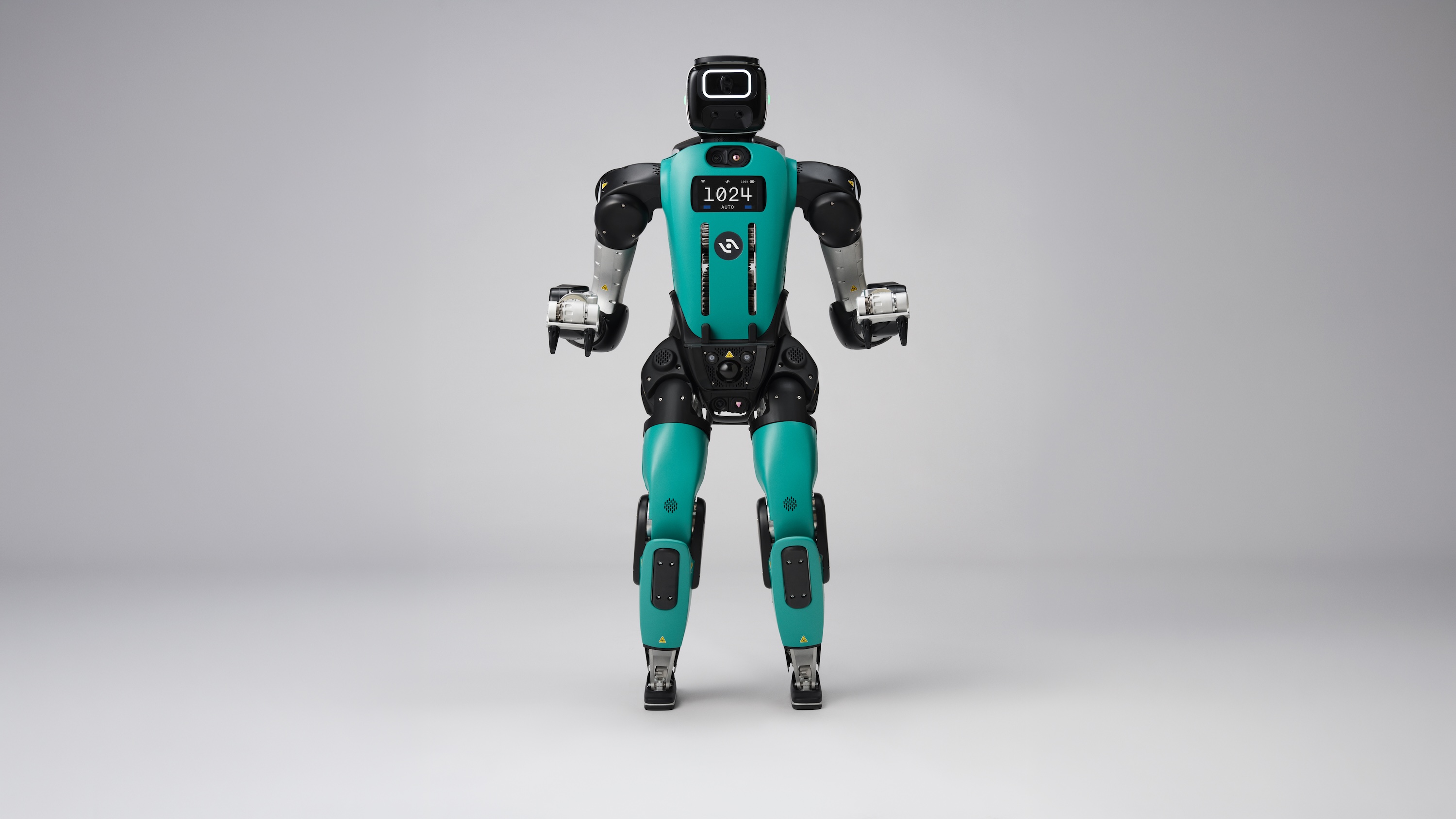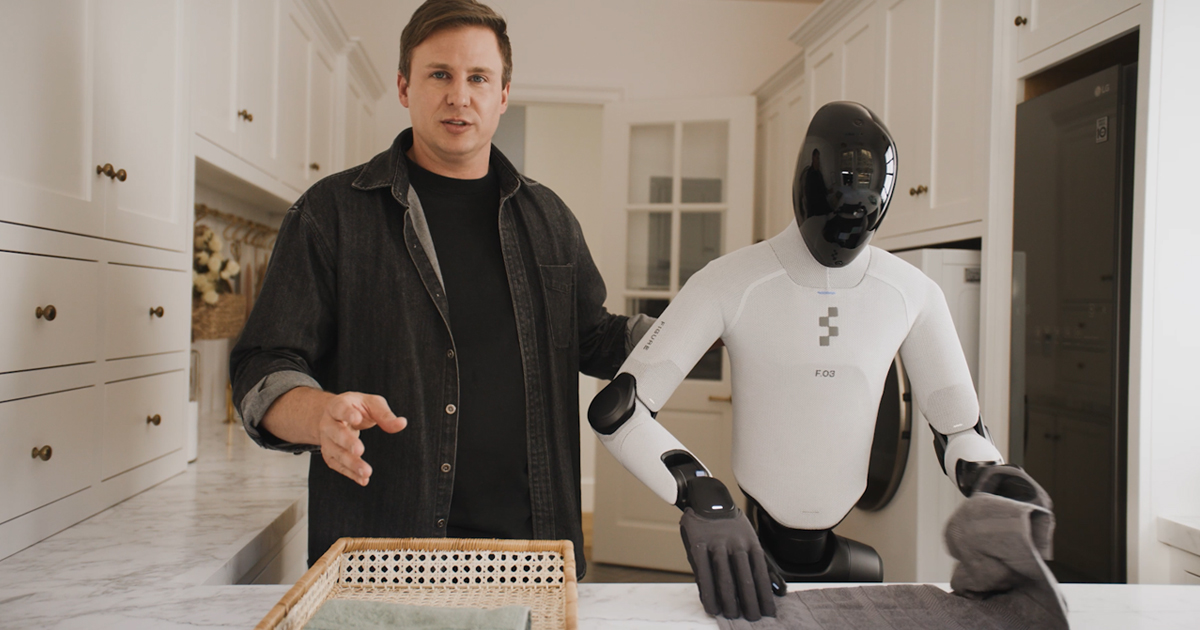
Figure's September 17, 2026 Helix 2.5 report describes a company-run evaluation of three household behaviors across 30 previously unseen homes. The report emphasizes whole-body self-correction as well as task completion. That is an important shift in how dexterity can be discussed. A robot working outside a carefully arranged cell cannot expect every grasp, fold or placement to begin from the ideal state. Its usefulness depends partly on recognizing that the first attempt was inadequate and choosing a productive next action. Helix 2.5 evaluation, September 17, 2026.
Recovery is a sequence, not a reflex
A poor grasp can require several different responses. The robot might adjust its fingers, reposition the object, move its body to improve the view or abandon the attempt. Choosing among those options requires information about the object and the goal. A repeated identical motion can look active while making no progress. A useful recovery changes something relevant and then checks whether the change helped. This is why a single successful pickup is a weak basis for judging broad dexterity.
The earlier Helix 02 release and Figure 03 hardware introduction describe the company's approach to linking full-body control with tactile and visual sensing. The chronology matters: hardware provides observations and possible movements, while the learned policy determines how to use them. Improvement in one part does not automatically establish improvement in every task. A new sensor may reveal contact more clearly but still require suitable training examples and control behavior to turn that information into a reliable correction. Helix 02 full-body autonomy, January 27, 2026; Figure 03 introduction, October 9, 2025.
Completion standards determine what the result means
Household work offers many opportunities for ambiguous success. An item can be in the right general area without being properly placed; a fabric can look flatter while still failing the intended arrangement. A meaningful evaluation needs criteria fixed before the attempt is judged. Otherwise, a demonstration can quietly redefine success around what the robot happened to do. Figure's published account is useful because it describes an evaluation rather than only presenting an isolated clip, but it remains evidence produced by the developer and should be identified that way.
Time and intervention matter alongside completion. A robot that eventually succeeds after many self-corrections may demonstrate a valuable capability while remaining too slow for a particular job. A robot that succeeds quickly after a human reset has a different operating model. These distinctions should be preserved rather than collapsed into one success percentage. The strongest report would let a reader understand how often the machine recovered independently, how long recovery took and which failures still required assistance.
The implication reaches beyond the home
Factories also contain imperfect presentations, shifted objects and interrupted tasks. Reliable self-correction could reduce the amount of environmental preparation needed for a humanoid to work there. But transfer should be demonstrated, not assumed. A recovery that is acceptable while folding a towel may be unacceptable with a delicate component or near moving equipment. The lesson of Helix 2.5 is therefore a sharper question for the sector: can a robot recognize the difference between a correctable mistake and a situation in which it should stop? That boundary will matter as much as the range of objects it can manipulate.
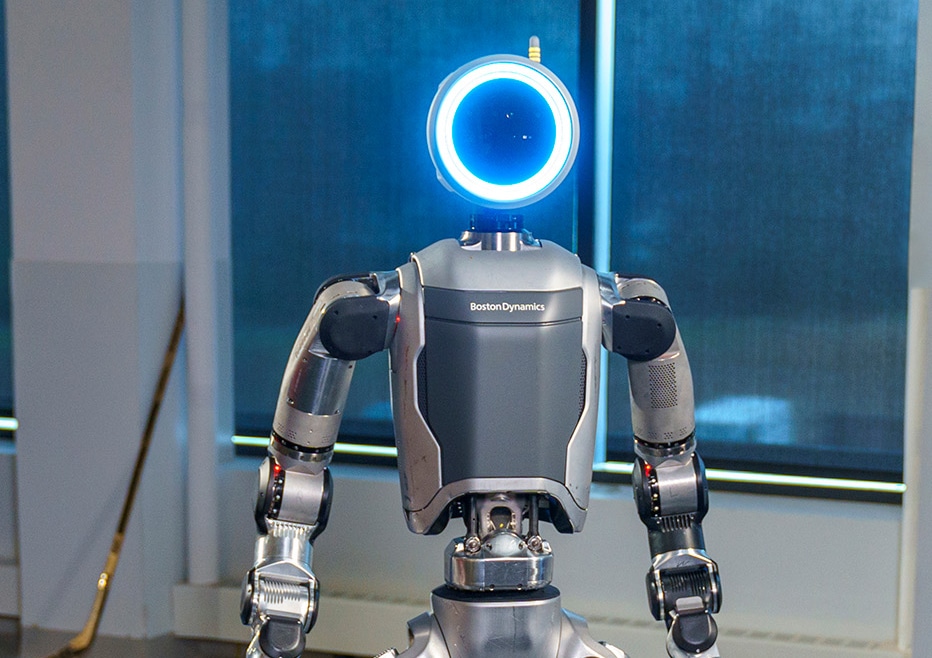
The first successful grasp attracts attention. The response to an imperfect grasp often tells an operator more about a humanoid's usefulness. Physical work includes variation, and a practical autonomous system needs to recognize when an action has not achieved its purpose before deciding what to do next. Boston Dynamics describes gripper development and full-body control as Atlas research priorities. Boston Dynamics on Atlas development.
Observe how uncertainty is handled
A useful trial should include objects that are reachable but awkwardly presented, within an agreed test envelope. The observer should record whether the robot detects a failed placement, whether it changes its approach and whether it can explain the need for assistance through its operating interface.
Learning-based manipulation makes those questions especially important. A model may produce effective actions without exposing a simple rule for every movement. Evaluation should therefore emphasize observable outcomes and bounded recovery rather than expecting a polished verbal explanation to establish that the underlying action was appropriate. Google DeepMind introduced Gemini Robotics models in March 2025. Google DeepMind introduces Gemini Robotics.
Set a limit on retries
Retries need a stopping rule. A machine that attempts the same grasp indefinitely consumes time and may change the scene in ways that make recovery harder. An operator should know when the robot will stop, what state it will leave the object in and what information will accompany the request for help.
Dexterity reporting should include these unsuccessful sequences alongside the clean successes. That does not diminish the engineering achievement. It makes the capability useful to a buyer who must decide how the robot fits into a process where failed attempts have consequences and somebody remains responsible for resolving them.
Failure descriptions can be more informative than another successful clip. Did the robot misidentify the object, lose its grip, choose an unhelpful viewpoint or fail to recognize that the task was complete? Each diagnosis points toward a different improvement. Publishing those categories would help distinguish progress in perception from progress in control or recovery. It would also let a potential user judge whether the remaining failures are tolerable in the intended setting, rather than interpreting an average success rate without knowing what the unsuccessful cases involved.
Sources & evidence
This archive preserves its original editorial date. Sources describe the events and announcements discussed; they do not establish today’s status.