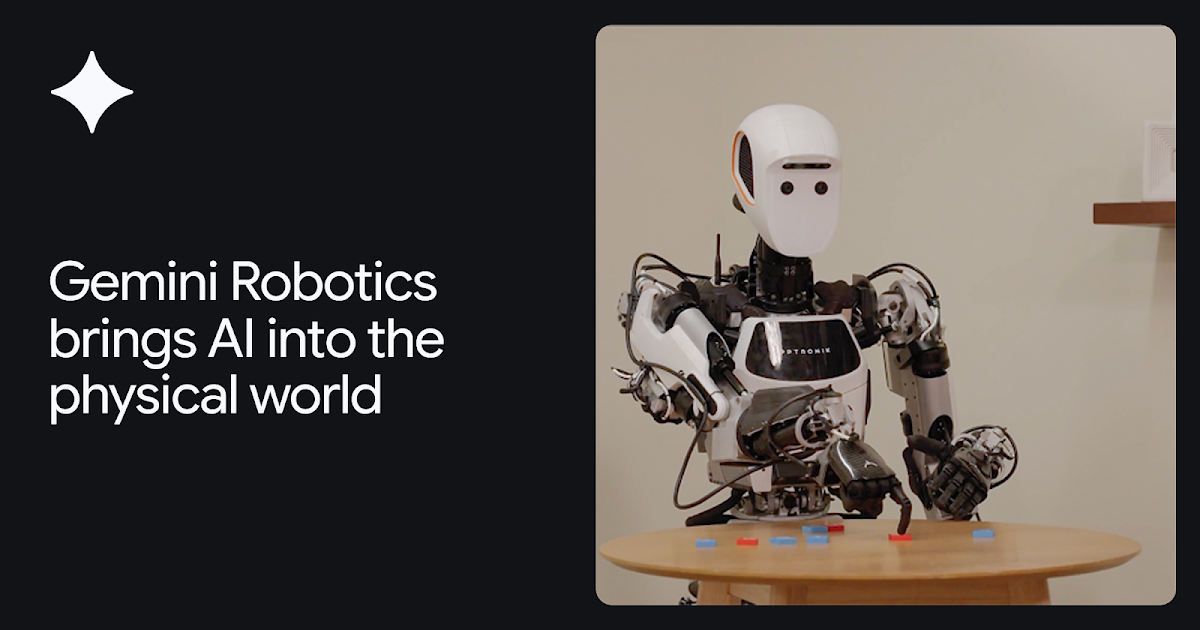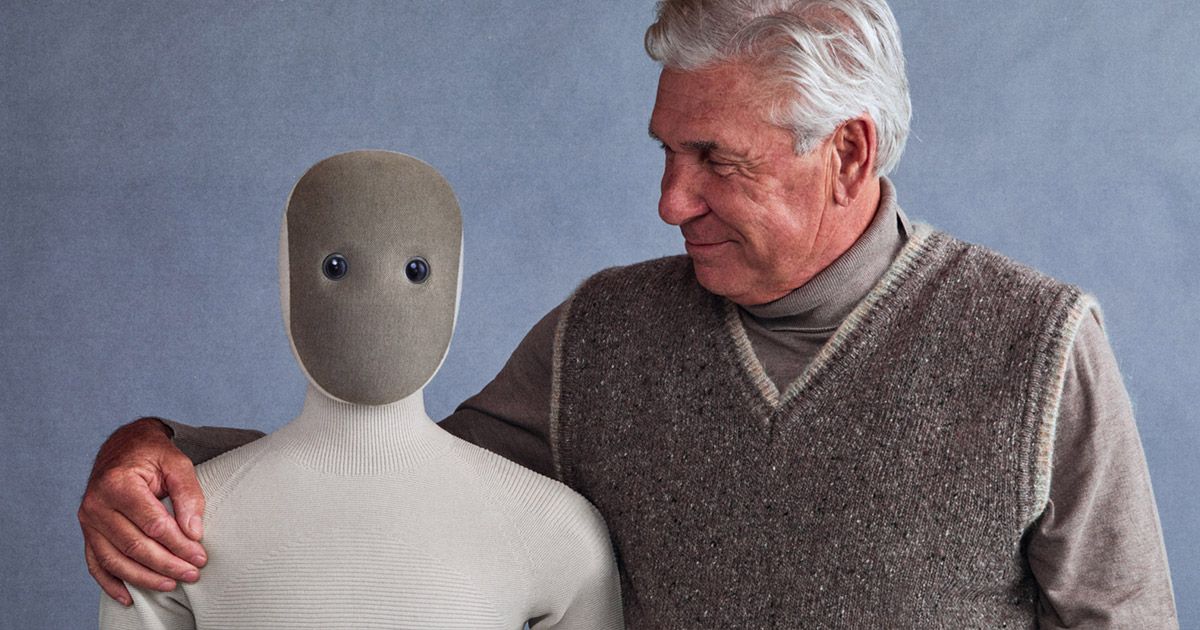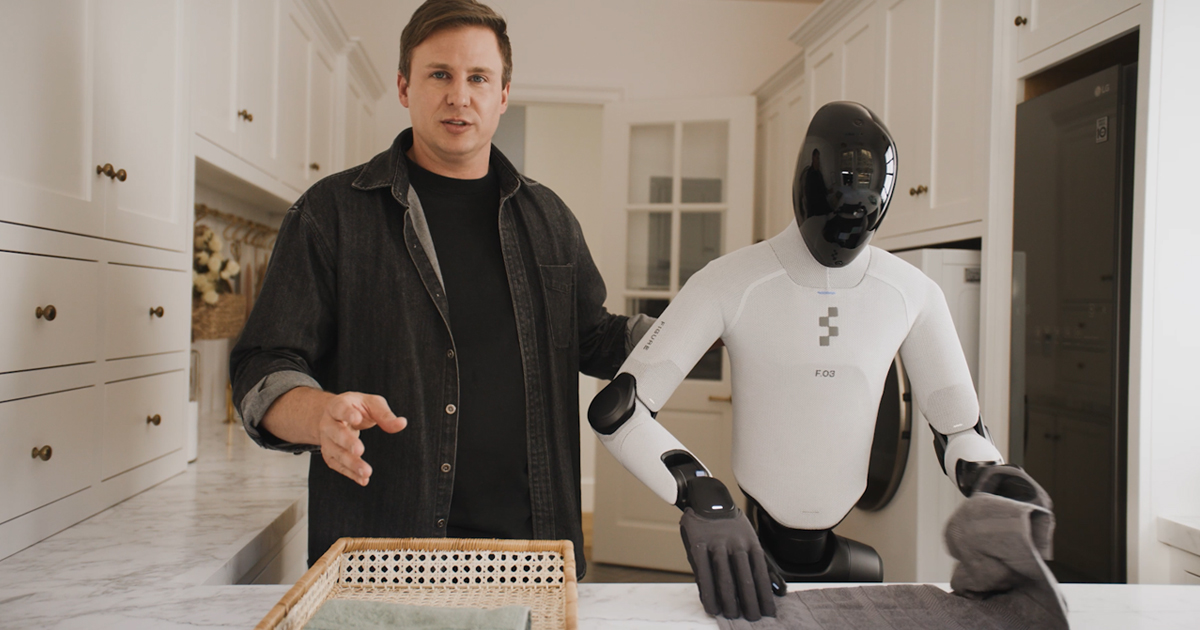
Figure's September 2026 Helix 2.5 report attributes improved performance in unfamiliar homes to pretraining on Index, its dataset of human behavior. The company then adapts the model to specific robot behaviors. This is a distinct strategy from simply pooling demonstrations recorded on multiple robots. Both approaches seek broader experience, but both face a physical translation problem: a useful observation does not arrive with a guarantee that a different body can perform the same action. Helix 2.5 evaluation, September 17, 2026.
Experience is broader than a motor command
A human demonstration can reveal task structure, object relationships and useful sequencing. The corresponding robot may have different reach, strength, hand geometry and viewpoints. It must preserve what matters about the task while changing how it is carried out. That is why the distinction between representation and action is important. Learning that a cloth should be folded along an edge is not identical to learning which joint movements will produce that fold with a particular gripper. The data may transfer at one level more readily than another.
Figure 03's redesigned hands and sensory system show why the hardware version matters to this process. A policy trained with one source of tactile or visual information may need adaptation when that source changes. DeepMind's On-Device robotics work provides another perspective, emphasizing deployment of learned control on local robot hardware. These approaches are not a direct performance comparison. They illustrate that training breadth and deployment constraints have to be solved together rather than treating the model as detached software. Figure 03 introduction, October 9, 2025; Gemini Robotics On-Device.
A larger dataset can hide uneven coverage
The number of examples alone says little about whether the difficult cases are represented. A dataset can contain many successful, well-lit grasps and few examples of occlusion, slipping or recovery. It can also overrepresent a narrow family of objects while appearing diverse because the backgrounds vary. A useful evaluation therefore separates familiar and unfamiliar objects, layouts and task combinations. Otherwise, an apparent generalization result may reflect a small change in presentation rather than a substantial change in the physical problem.
Shared data also raises an identification problem. Different contributors may label actions, success and intervention differently. If those differences are not preserved, a model can learn from inconsistent signals or an evaluation can compare unlike outcomes. The answer is not to reject heterogeneous data. It is to document the conditions under which it was collected and the transformations used to combine it. That record helps explain where a trained system is likely to work and where additional examples are still needed.
The transfer claim should name its boundary
A strong result specifies what changed between training and evaluation: the room, the object, the robot, the task or some combination. It also specifies what remained fixed. Figure's report is useful as a developer's account of one such experiment, not proof that all household or industrial work now transfers automatically. The practical implication is that broad pretraining may reduce the work required to teach a new behavior, while application-specific validation remains necessary. A humanoid's body is not an interchangeable output device. Its physical limits and sensing determine how much of the learned experience it can actually use.
Pooling robot experience raises an attractive possibility: a new machine might benefit from work performed by other machines. The difficulty is that bodies differ. A movement recorded by one arm does not automatically describe a feasible action for another robot with different reach, sensors or grasping hardware. Open X-Embodiment pools robot-learning data across multiple robot embodiments. Open X-Embodiment research.
Identify what transfers
The useful question is what kind of knowledge transfers. Information about objects and task sequence may travel differently from detailed contact behavior. Treating all experience as equivalent can hide the engineering required to connect a shared model to the physical limits of a particular platform.
Evaluation should identify the source of training experience and the conditions at the destination robot. A successful transfer claim becomes more informative when readers can see which tasks were new, what additional data was collected and how much adaptation took place before the demonstration. RT-2 research represents robot actions as tokens alongside vision and language. RT-2 research paper.
Test the new physical context
Negative results deserve attention too. A system might improve on familiar handling tasks while remaining unreliable on a new material or arrangement. Reporting only the average can obscure the very boundary a deployment team needs to understand when deciding which work to assign.
The larger implication is that shared data can broaden research without eliminating local validation. A humanoid entering a workplace still needs evidence on its own body, sensors and tasks. Cross-embodiment learning should be judged by how much useful adaptation it enables, with the remaining adaptation work made visible.
A useful transfer experiment would also report the amount of task-specific adjustment required after pretraining. Fewer demonstrations, less calibration or shorter commissioning could be meaningful advances even if some adaptation remains necessary. Presenting that work explicitly avoids a false all-or-nothing choice between universal autonomy and no progress. For an industrial user, a reduction in deployment effort can have practical value long before a robot can enter an arbitrary environment and perform any requested task without preparation.
Sources & evidence
This archive preserves its original editorial date. Sources describe the events and announcements discussed; they do not establish today’s status.